
Testimony of Ramón Cidón, volunteer with Energy Without Borders
Hello everyone. My name is Ramón Cidón and in this short article I'm going to try to share My experience of almost two decades in the NGO Energy Without Borders, where I started in 2005 as a volunteer and where I continue to represent IGNIS on the Board of Trustees.
In these almost 20 years I have worked mainly in Peru, in the Piura region, which is an almost desert area, where the population lives in conditions of severe poverty without having access to basic supplies in their homes such as drinking water or electricity, which translates into health problems, which especially affect children.
Thus, thanks to the work together with numerous ESF volunteers and having a local partner, Mirhas Peru, which has proven to be extremely professional and reliable over the years (we at IGNIS already know the importance of having a local partner abroad with these characteristics), A large number of projects have been implemented that are still active and have significantly improved the quality of life of the beneficiaries.
I can compare volunteering at ESF to the role of project manager at IGNIS. The first step, once a need has been identified (for example, providing water, electrifying a health center or school with solar panels, or offering basic hygiene services to a community), is to formulate the project: identifying the project objectives, the proposed technical solution, the benefits its implementation will bring, how it will be sustained over time, who the counterpart will be, a budget, and implementation deadlines. With this document, we then apply for funding, which usually comes from public bodies, supplemented by our own funds, which come from contributions from ESF's patrons or other private sources.
As a concrete example of the above, I want to tell you about a specific project that involves installing solar-powered water wells, of which ESF has completed more than fifteen in the Piura region with an associated investment of nearly one million euros. In this area, as I mentioned, the climate is desert, but a considerable amount of water accumulates underground. Traditionally, the population extracted water from wells with manual pumping, reaching depths of 50-80 meters. This meant that women and children had to travel to the well by mule cart, wait in line, pump the water themselves, and return home with untreated water. This resulted in... The children could not go to school, the women could not work, and the water, being unchlorinated, caused significant health problems.
Here's a picture of a child next to a traditional well and a line of mule carts waiting to load and take the water to their homes.
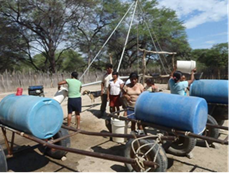
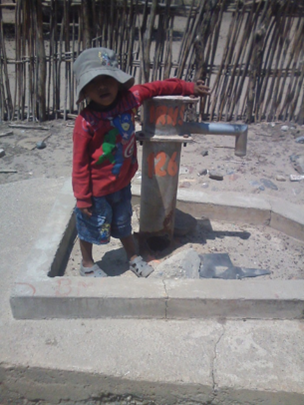
Once the need was identified, we sat down to design the solution. In Piura, solar radiation is excellent, as it's close to the equator, so the solution had to involve electrifying the wells with solar energy. Then we had to find a way to store the water to avoid queues and ensure a water supply at night, and treat the water to prevent disease.
The first step was to hold meetings with the community to explain the project, allay their fears (they were worried about having to pay because they lack the resources, or that the water would taste different…) and listen to their suggestions and needs. Let's go more or less the same as what we do at IGNIS when we present a project to the Community.
With all this data and once their consent was obtained, the well was cleaned to restore pressure.
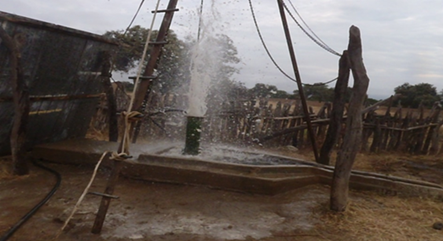
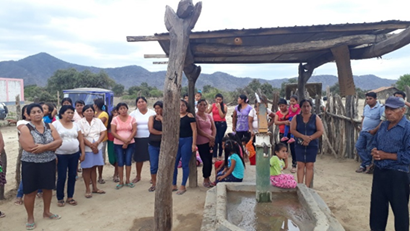
After that first step, we designed the project, As you can see, after several prototypes, it ended up being a very compact installation, easy to maintain and operate, with the solar panels on top, a storage tank that serves as a battery and where the water is chlorinated, an elevated structure that gives pressure to the water so that it can be distributed, and below, the electrical and machinery room.
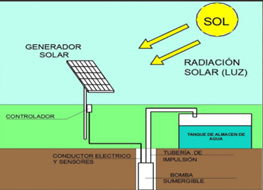
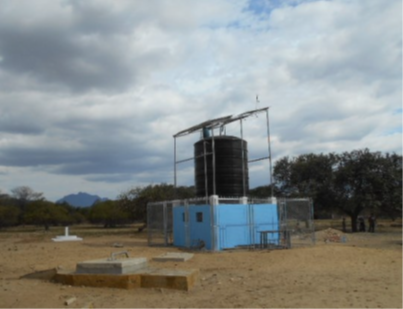
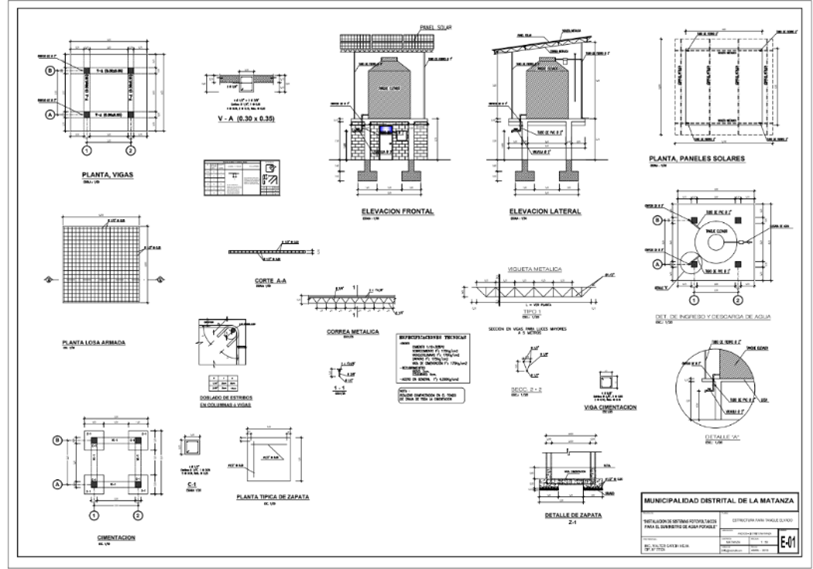
The drilling of the wells has allowed to provide drinking water to several thousand beneficiaries, water for livestock (which has allowed them to maintain their economy during times of extreme drought and not abandon the countryside and move to the city to live in shacks as has happened in other nearby areas), It has improved child-rearing and women's economic progress, Because having drinking water near their homes means that the time previously spent fetching water is now dedicated to productive activities and personal development. Children can attend school and Diseases associated with contaminated water have been reduced very significantly.
As you can deduce, you can collaborate with ESF as a volunteer in many different ways, whether it's helping with contract drafting (legal), supporting the purchasing team with specifications (engineering/legal), preparing financial documentation, formulating projects to request funding (social/ESG), designing the necessary facilities and equipment… in short, anyone is more than welcome, because The most valuable thing about ESF is its volunteers who contribute different knowledge, but most importantly, with the enthusiasm to give some of their time to collaborate and help people in need.
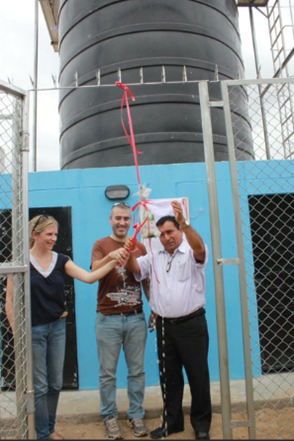
And finally, as the icing on the cake, ESF always includes a visit at the end to see and verify what has been done and to learn firsthand how the beneficiaries, partners, and authorities have received the project. I have traveled to Peru many times, but if I had to choose one, it would be the trip I took with my wife, where we inaugurated several wells. We both remember it with great fondness and how we were treated with simplicity, yet with the utmost affection and gratitude by the people (including an invitation to a simple ceviche made with river fish, which we will always remember).
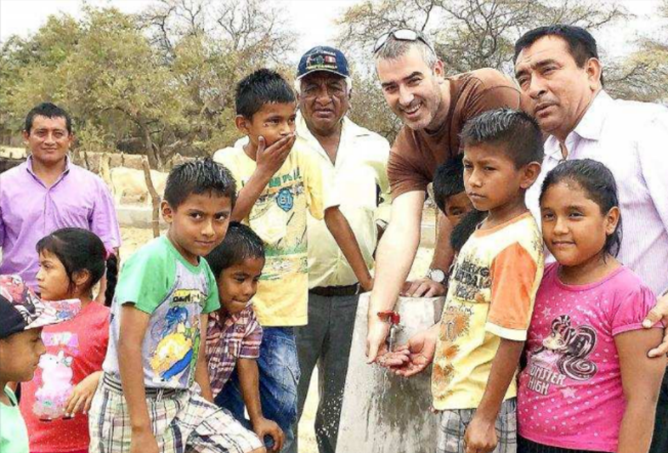
Well, I hope that some of you who have read this article have had your curiosity piqued and I'd be delighted to chat and give you the Welcome to this great NGO.


